Carbon Fiber Materials for Advanced Composite Manufacturing

Carbon fiber materials are the foundation of high-performance composite structures. By combining carbon fiber reinforcement, resin systems, core materials, and optimized laminate designs, manufacturers can achieve exceptional strength, stiffness, lightweight performance, and durability for demanding applications.

At Noah Composites, we provide professional carbon fiber material solutions for OEM and ODM carbon fiber manufacturing composite projects. Our material expertise covers carbon fiber grades, prepreg systems, reinforcement fabrics, sandwich structures, and customized composite material selection based on specific performance requirements.

Rather than selecting carbon fiber materials based only on fiber strength, we evaluate the complete composite system, including mechanical requirements, manufacturing processes, environmental conditions, production volume, and cost targets.

From material selection to finished carbon fiber components, Noah Composites supports customers with integrated composite manufacturing solutions.

Understanding Carbon Fiber Composite Materials

Carbon fiber composites are engineered materials consisting of reinforcing fibers embedded within a polymer matrix. The combination of high-performance carbon fibers and advanced resin systems creates structures with superior mechanical properties compared with traditional materials such as aluminum and steel.

A successful carbon fiber component depends not only on the carbon fiber itself, but also on the complete material system, including reinforcement type, resin chemistry, fiber orientation, laminate structure, and manufacturing technology.

What Makes Up a Carbon Fiber Composite System?

A carbon fiber composite system typically consists of several key elements:

Carbon Fiber Reinforcement

Carbon fiber provides the primary load-bearing capability of composite structures. The fiber grade, tensile strength, modulus, and orientation determine the overall mechanical performance of the final component.

Different carbon fiber grades are selected depending on whether the priority is:

Higher tensile strength
Increased stiffness
Reduced weight
Improved fatigue resistance
Cost optimization

Resin Matrix Systems

The resin matrix surrounds and bonds carbon fibers together, transferring loads between individual fibers while protecting the reinforcement structure.

Common resin systems include:
Epoxy resin
High-temperature resin systems
Toughened resin systems

The resin system influences:
Impact resistance
Temperature performance
Chemical resistance
Moisture durability
Surface quality

Core Materials for Lightweight Composite Structures

For applications requiring maximum stiffness with minimum weight, carbon fiber materials are often combined with lightweight core materials to create sandwich composite structures.

Common core materials include:
Honeycomb core
Foam core, like PMI, PU, PET, PVC, etc
Wood core, like poplar wood, paulownia wood, Balsa Wood, etc

These structures provide significantly improved bending stiffness compared with solid laminates while maintaining lightweight characteristics.

Fiber Orientation and Laminate Design

Carbon fiber performance depends heavily on fiber direction.

By controlling fiber orientation, composite designers can optimize strength according to actual loading conditions.

Common laminate designs include:

Unidirectional reinforcement for maximum directional strength
Balanced woven structures for multi-directional loading
Multi-angle laminate stacking for improved impact and fatigue resistance

Noah Composites helps customers optimize laminate structures according to product requirements and manufacturing conditions.

Carbon Fiber Grades and Performance Comparison

Standard Modulus Carbon Fiber (T300)

T300 carbon fiber is one of the most widely used standard modulus carbon fiber materials.

Key characteristics:
Balanced mechanical properties
Reliable processing performance
Good cost-performance ratio
Wide application range

Typical applications:
Industrial composite components
General structural parts
Equipment reinforcement
Lightweight composite products

High Strength Carbon Fiber (T700)

T700 carbon fiber provides higher tensile strength compared with standard carbon fibers while maintaining excellent processability.

Advantages:
Improved strength-to-weight ratio
Excellent fatigue resistance
Reliable mechanical performance
Suitable for structural applications

Typical applications:
Automotive components
High-performance industrial parts
Pressure-related composite structures
Lightweight structural components

Advanced High Strength Carbon Fiber (T800)

T800 carbon fiber represents an advanced carbon fiber grade designed for applications requiring higher mechanical performance.

Characteristics:
Higher tensile strength
Improved structural efficiency
Excellent lightweight performance

Typical applications:
Performance automotive components
Advanced composite structures
High-end engineering applications

High Modulus Carbon Fiber (M40J)

M40J carbon fiber focuses on maximizing stiffness rather than maximum tensile strength.

Advantages:
Extremely high modulus
Excellent dimensional stability
Superior rigidity

Typical applications:
Precision structures
High stiffness components
Specialized engineering applications

Customized Carbon Fiber Grades for OEM Applications

Different projects require different material strategies.

Noah Composites supports customized carbon fiber material selection based on:

Mechanical requirements
Manufacturing process
Production volume
Budget targets
Environmental conditions

Our engineering team helps customers select the optimal carbon fiber grade instead of simply choosing the highest-performance material.

Carbon Fiber Material Properties Comparison

he performance of a carbon fiber composite depends on the combination of fiber grade, resin system, reinforcement structure, and laminate design. When selecting carbon fiber materials, engineers typically evaluate several key properties, including tensile strength, tensile modulus, weight efficiency, temperature resistance, and environmental durability.

The following comparison provides a general overview of common carbon fiber material categories.

Carbon Fiber TypeTensile StrengthTensile ModulusWeight AdvantageCost LevelTypical Applications
T300 Carbon FiberStandardStandardExcellentCost-effectiveIndustrial components, general composite structures
T700 Carbon FiberHighStandardExcellentMediumAutomotive parts, structural components
T800 Carbon FiberVery HighMedium-HighExcellentHigherPerformance applications, advanced structures
M40J Carbon FiberMediumVery HighExcellentPremiumHigh stiffness precision components

Tensile Strength and Mechanical Performance

Tensile strength represents the maximum stress a carbon fiber material can withstand before failure.

High-strength carbon fibers such as T700 and T800 are commonly selected for applications where structural safety and load-bearing capability are critical.

Applications requiring high tensile performance include:
Automotive structural components
Lightweight mechanical parts
High-performance equipment
Industrial reinforcement structures

Tensile Modulus and Structural Stiffness

Tensile modulus describes the stiffness of a material and its ability to resist deformation under load.

High modulus carbon fibers such as M40J are suitable when dimensional stability and rigidity are more important than maximum tensile strength.

Typical applications include:
Precision structures
Vibration-sensitive components
High stiffness composite panels

Weight Reduction Advantages

One of the primary advantages of carbon fiber materials is their exceptional strength-to-weight ratio.

Compared with traditional metallic materials, carbon fiber composites can provide:

Reduced structural weight
Improved energy efficiency
Enhanced performance
Greater design flexibility

This makes carbon fiber materials especially valuable in industries where lightweight design is critical.

Temperature and Environmental Resistance

The final performance of a carbon fiber composite depends on both the fiber reinforcement and resin matrix.

Material selection should consider:
Operating temperature range
Moisture exposure
Chemical resistance
UV conditions
Long-term durability requirements

Noah Composites helps customers select suitable material systems for different operating environments.

Carbon Fiber Reinforcement Forms

Carbon fibers are available in different reinforcement forms depending on structural requirements, manufacturing methods, and surface appearance expectations.

The reinforcement format directly affects:

  • Mechanical performance

  • Fiber alignment

  • Manufacturing efficiency

  • Surface quality

  • Final component cost

Unidirectional Carbon Fiber

The final performance of a carbon fiber composite depends on both the fiber reinforcement and resin matrix.

Material selection should consider:
Operating temperature range
Moisture exposure
Chemical resistance
UV conditions
Long-term durability requirements

We help customers select suitable material systems for different operating environments.

Woven Carbon Fiber Fabric

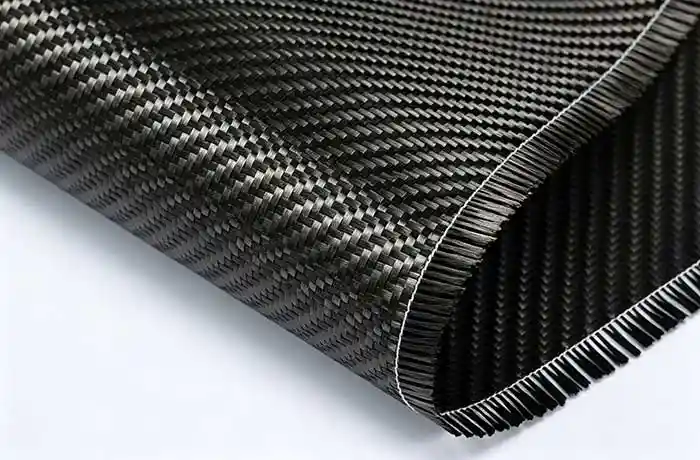
Woven carbon fiber fabric is produced by interlacing carbon fiber strands in different directions.

This structure provides balanced mechanical properties and an attractive visible carbon fiber appearance.

Advantages:
Multi-directional reinforcement
Excellent surface aesthetics
Stable handling characteristics

Typical applications:
Automotive exterior components
Visible carbon fiber panels
Consumer performance products

Common weave styles include:
Plain weave
Twill weave
Satin weave

Multiaxial Carbon Fiber Fabric

Multiaxial carbon fiber fabrics combine multiple fiber orientations within a single reinforcement layer.

These materials are designed for complex loading conditions where strength is required in multiple directions.

Advantages:
Improved structural balance
Better impact performance
Efficient laminate construction

Typical applications:
Marine composite structures
Industrial equipment
Large composite components

Chopped Carbon Fiber Materials

Chopped carbon fiber materials consist of short carbon fiber segments distributed within a matrix system.

They are often used where:
High production efficiency is required
Complex geometries must be manufactured
Cost optimization is important

Typical applications:
Compression molded components
Automotive composite parts
High-volume production applications

Carbon Fiber Prepreg Materials

Carbon fiber prepreg is an advanced composite material where carbon fibers are pre-impregnated with a controlled amount of resin before manufacturing. Unlike traditional wet layup processes, prepreg materials provide precise resin distribution and consistent laminate quality.

We provide carbon fiber prepreg solutions for applications requiring high mechanical performance, excellent surface finish, and manufacturing consistency.

 
Our carbon fiber prepreg materials are kept in a refrigerated warehouse.

What Is Carbon Fiber Prepreg?

Carbon fiber prepreg consists of:
Carbon fiber reinforcement
Pre-applied resin system
Controlled fiber-to-resin ratio

During manufacturing, the prepreg material is shaped and cured under controlled temperature and pressure conditions.

Common curing methods include:
Autoclave molding
Compression molding
Vacuum-assisted processing

Advantages of Carbon Fiber Prepreg

Carbon fiber prepreg offers several performance advantages:

Precise Resin Content

Controlled resin distribution improves laminate consistency and mechanical reliability.

Excellent Mechanical Performance

Optimized fiber alignment and curing conditions provide high structural efficiency.

Superior Surface Quality

Prepreg materials are suitable for applications requiring premium visual appearance.

Manufacturing Repeatability

Controlled material properties improve production consistency for OEM manufacturing.

Prepreg Resin Systems and Processing Requirements


Different prepreg systems are selected according to:
Required mechanical properties
Processing temperature
Production volume
Application environment

Common considerations include:
Room-temperature curing systems
Low-temperature curing systems
High-temperature performance systems

Material selection should always match the intended manufacturing process.

Applications of Carbon Fiber Prepreg


Carbon fiber prepreg is widely used in:
Performance automotive components
Advanced industrial structures
Sporting equipment
High-end composite products
Specialized engineering applications

Carbon Fiber Composite Structures

Carbon fiber materials can be engineered into different composite structures depending on mechanical requirements, weight targets, and application conditions. The final performance of a carbon fiber component is determined not only by the material itself, but also by how individual layers and structural elements are combined.

Common carbon fiber composite structures include solid laminate structures and sandwich composite structures.

Solid Carbon Fiber Laminate Structures

Solid laminate structures are manufactured by stacking multiple layers of carbon fiber reinforcement with controlled fiber orientations.

By adjusting:
Fiber direction
Number of layers
Laminate thickness
Resin system

engineers can optimize the structure for specific load conditions.

Advantages:
High mechanical strength
Excellent durability
Precise structural performance
Suitable for complex load requirements

Typical applications:
Automotive structural components
Industrial equipment parts
Mechanical reinforcement components
Performance composite products

Carbon Fiber Sandwich Structures

Carbon fiber sandwich structures combine lightweight core materials between carbon fiber composite skins.

This design increases bending stiffness while maintaining low structural weight.

Compared with solid laminate structures, sandwich composites provide:
Higher stiffness-to-weight ratio
Improved impact performance
Reduced overall weight
Better structural efficiency

Typical applications:
Marine structures
Transportation components
Lightweight industrial panels
Large composite assemblies

Honeycomb Core Composite Structures

Honeycomb core structures use a lightweight honeycomb material between carbon fiber skins.

The honeycomb geometry provides excellent resistance against bending deformation while minimizing weight.

Advantages:
Extremely lightweight
High bending stiffness
Excellent structural efficiency
Suitable for large-area composite panels

Typical applications:
Marine panels
Advanced transportation structures
High-performance engineering components

Foam Core Composite Structures

Foam core sandwich structures use lightweight polymer foam materials combined with carbon fiber skins.

Compared with honeycomb structures, foam cores provide:
Improved impact resistance
Better insulation performance
Easier processing for complex geometries

Typical applications:
Marine composite components
Industrial equipment covers
Lightweight structural panels

Carbon Fiber Core Materials Selection

Core materials are essential components in carbon fiber sandwich composite structures. By combining lightweight core materials with carbon fiber skins, sandwich structures can achieve significantly improved stiffness, strength, and weight efficiency compared with traditional solid laminate structures.

Honeycomb Core Materials

Honeycomb cores feature a unique cellular structure that provides excellent stiffness with minimal weight. Due to their high strength-to-weight ratio and structural efficiency, honeycomb cores are widely used in high-performance sandwich composite applications.

Aluminum Honeycomb Core

Aluminum honeycomb cores are lightweight metallic core materials manufactured from high-strength aluminum alloy foils. They provide excellent stiffness-to-weight ratio, high compressive strength, and dimensional stability, making them suitable for structural sandwich composite applications.

Key advantages:
High stiffness-to-weight ratio
Excellent compressive strength (typically 2–10 MPa depending on density)
Superior dimensional stability
Good temperature resistance
Excellent structural rigidity

Typical density range:
40–200 kg/m³ depending on cell size and aluminum foil thickness

Typical applications:
Automotive structural components
Carbon fiber sandwich panels
Aerospace structures
High-performance vehicle body panels
Industrial composite structures

Thermoplastic Honeycomb Core

Thermoplastic honeycomb cores, commonly made from polypropylene (PP), are lightweight polymer-based core materials offering excellent impact resistance, moisture resistance, and cost-effective manufacturing advantages.

Key advantages:
Lightweight structure
Excellent impact resistance
Good chemical resistance
Moisture-resistant performance
Easy processing and recyclability
Cost-effective solution

Typical density range:
30–120 kg/m³ depending on material grade and structural requirements

Typical compressive strength:
0.5–3 MPa depending on density and cell structure

Typical applications:
Automotive composite components
Transportation panels
Vehicle interior structures
Lightweight sandwich panels
Industrial composite applications

Aramid / Nomex Honeycomb Core

Aramid honeycomb cores, commonly known as Nomex honeycomb cores, are high-performance fiber-based core materials made from aramid paper impregnated with phenolic resin. They offer outstanding lightweight performance, high strength, and excellent fire resistance for advanced composite structures.

Key advantages:
Extremely lightweight construction
Excellent strength-to-weight ratio
High impact resistance
Superior flame resistance
Excellent fatigue performance
Low moisture absorption

Typical density range:
29–160 kg/m³ depending on cell size and mechanical requirements

Typical compressive strength:
0.5–8 MPa depending on density and specification

Typical applications:
Aerospace composite structures
Motorsport components
Carbon fiber sandwich panels
Aircraft interior components
High-performance automotive parts
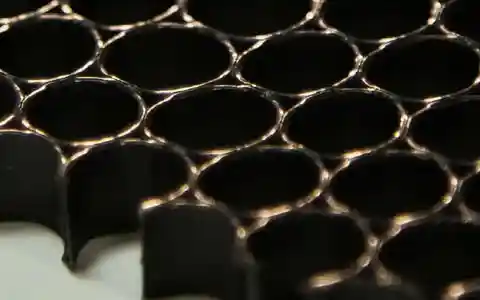
Fiber Reinforced Honeycomb Core

Fiber reinforced honeycomb cores are advanced composite core materials manufactured using fiber-based reinforcement materials such as fiberglass, carbon fiber, or other high-performance fibers combined with resin systems. They provide excellent mechanical performance and are designed for demanding lightweight structural applications.

Key advantages:
High strength-to-weight ratio
Excellent stiffness performance
Superior fatigue resistance
Low thermal expansion
High structural durability
Suitable for advanced composite manufacturing

Typical density range:
50–200 kg/m³ depending on fiber type, resin system, and structural design

Typical compressive strength:
2–15 MPa depending on fiber reinforcement and core configuration

Typical applications:
Carbon fiber composite structures
Racing vehicle components
Aerospace applications
High-performance automotive panels
Marine composite structures

Foam Core Materials

Foam cores are widely used in carbon fiber sandwich structures because they provide a balanced combination of lightweight performance, impact resistance, and manufacturing flexibility. Common foam core materials include PMI foam core, PVC foam core, PET foam core, PU foam core, etc.

PMI Foam Core

PMI (Polymethacrylimide) foam cores are high-performance structural foam materials designed for demanding composite applications.

Key advantages:
Excellent mechanical strength
High temperature resistance
Superior dimensional stability
Compatible with advanced composite manufacturing processes

Typical applications:
High-performance composite structures
Aerospace-related components
Advanced engineering applications

PVC Foam Core

PVC Foam Core

PVC foam cores are widely used because of their balanced mechanical properties and versatility.

Key advantages:
Good strength-to-weight ratio
Excellent impact resistance
Good chemical resistance
Easy processing capability

Typical applications:
Marine composite structures
Industrial panels
Transportation components

PET Foam Core

PET foam cores are increasingly adopted in lightweight composite applications due to their durability, recyclability, and cost efficiency.

Key advantages:
Environmentally friendly material option
Good mechanical performance
Moisture resistance
Excellent cost-performance balance

Typical applications:
Transportation panels
Wind energy composite structures
Industrial sandwich panels
Sustainable composite products

PU Foam Core

PU Foam Core

Polyurethane (PU) foam cores provide lightweight insulation and structural support.

Key advantages:
Lightweight construction
Good thermal insulation properties
Cost-effective solution
Easy processing

Typical applications:
Insulated composite panels
Industrial structures
Lightweight applications requiring thermal performance

Wood Core Materials

Wood cores are traditional sandwich structure materials that provide natural lightweight performance and excellent energy absorption. Such as the Balsa wood core, Paulownia wood core, Poplar wood core, and so on.

Balsa Wood Core

Balsa Wood Core

Balsa wood is widely used in marine and structural composite applications due to its excellent stiffness-to-weight ratio.

Key advantages:
Natural lightweight material
High compressive strength
Excellent impact absorption
Good structural performance

Typical applications:
Marine composite structures
Wind energy components
Heavy-duty sandwich panels

Paulownia Wood Core

Paulownia wood is a lightweight natural core material with good strength and moisture resistance.

Key advantages:
Low density
Good mechanical performance
Sustainable material option

Typical applications:
Marine components
Lightweight composite panels
Sports equipment

Poplar Wood Core

Poplar Wood Core

Poplar wood cores provide an economical solution for applications requiring lightweight sandwich structures.

Key advantages:
Cost-effective
Good availability
Easy processing
Balanced mechanical performance

Typical applications:
Industrial composite panels
Furniture and architectural composites
General lightweight structures
How to Select the Right Carbon Fiber Core Material

The optimal core material depends on the balance between performance, manufacturing requirements, and application environment.

RequirementRecommended Core Materials
Maximum stiffness-to-weight ratioAluminum honeycomb, PMI foam
Impact resistancePP honeycomb, PVC foam, PET foam
Marine applicationsPVC foam, PET foam, Balsa wood
Lightweight structural panelsHoneycomb core, foam core
Cost-sensitive applicationsPP honeycomb, PET foam, Poplar wood
Natural composite solutionsBalsa wood, Paulownia wood

Noah Composites supports customers in selecting suitable core materials and designing optimized carbon fiber sandwich structures for different applications.

Carbon Fiber Material Selection Guide

Selecting the right carbon fiber material is a critical step in developing high-performance composite components.

The optimal material solution is not always the strongest or most advanced carbon fiber available. Instead, engineers need to balance multiple factors, including mechanical performance, manufacturing requirements, application environment, production volume, and cost objectives.

Selecting Materials Based on Mechanical Requirements

Different applications require different mechanical properties. Material selection should begin with understanding the primary performance requirements.

High Strength Requirements

For components exposed to high mechanical loads, high-strength carbon fiber materials are preferred.

Recommended materials:
T700 carbon fiber
T800 carbon fiber
High-strength carbon fiber prepreg

Key advantages:
Higher tensile strength
Improved load-bearing capability
Excellent fatigue performance
Lightweight structural efficiency

Typical applications:
Automotive structural components
Industrial load-bearing parts
Performance composite assemblies

High Stiffness Requirements

When dimensional stability and deformation resistance are the primary concerns, high modulus carbon fiber materials are preferred.

Recommended materials:
M40J carbon fiber
High modulus composite laminates

Key advantages:
Superior rigidity
Reduced deformation
Excellent dimensional stability

Typical applications:
Precision composite structures
Vibration-sensitive components
High stiffness panels

Lightweight Design Requirements

Weight reduction is one of the most important advantages of carbon fiber composites.

For lightweight applications, engineers typically optimize:
Fiber grade selection
Fiber orientation
Laminate thickness
Sandwich structure design
Core material selection

Recommended solutions:
Carbon fiber sandwich structures
Honeycomb core composites
Foam core composite panels

Typical applications:
Automotive lightweight components
Transportation structures
Marine composite products

Selecting Materials Based on Manufacturing Processes

The manufacturing process directly affects material selection. Different composite manufacturing technologies require different material forms, resin systems, and reinforcement structures.

Noah Composites provides material solutions compatible with various composite manufacturing processes, including compression molding, autoclave molding, resin transfer molding, and CNC machining.

Compression Molding Material Selection

Compression molding is widely used for efficient production of carbon fiber composite components.

Suitable materials include:
Carbon fiber prepreg
Carbon fiber SMC materials
Chopped carbon fiber compounds

Advantages:
High production efficiency
Good dimensional consistency
Suitable for medium and high-volume manufacturing
Reduced cycle time

Typical applications:
Automotive composite parts
Industrial components
Lightweight structural products

Autoclave Molding Material Selection

Autoclave molding is a high-performance composite manufacturing process using controlled temperature and pressure curing.

Suitable materials include:
Aerospace-grade carbon fiber prepreg
High-performance epoxy prepreg systems

Advantages:
Excellent laminate quality
High fiber volume fraction
Superior mechanical properties
Premium surface finish

Typical applications:
High-performance components
Precision composite structures
Advanced engineering application

Resin Transfer Molding Material Selection

Resin Transfer Molding (RTM) uses dry carbon fiber reinforcement combined with injected resin systems.

Suitable materials include:
Dry carbon fiber fabric
Multiaxial carbon fiber reinforcement
Custom fiber architectures

Advantages:
Suitable for complex geometries
Good surface quality
Efficient production of medium-size components

Typical applications:
Marine composite structures
Industrial composite components
Large carbon fiber parts

CNC Machined Composite Material Selection

CNC machining is commonly used for precision processing of cured carbon fiber composite materials.

Suitable materials include:
Carbon fiber laminate plates
Carbon fiber sheets
High-density composite blocks

Important considerations:
Dimensional accuracy
Edge quality
Surface finishing requirements
Fiber orientation

Typical applications:
Precision mechanical components
Fixtures and tooling
Industrial composite parts

Selecting Materials Based on Application Environment

The operating environment significantly influences carbon fiber material selection. Engineers must consider temperature exposure, moisture conditions, chemical environment, UV exposure, mechanical fatigue requirements, etc.

Marine Environment

Marine applications require excellent moisture resistance, corrosion resistance, and long-term durability.

Recommended materials:
PVC foam core
PET foam core
Balsa wood core
Epoxy resin systems

Typical applications:
Boat structures
Marine panels
Composite decks

Automotive Environment

Automotive components require a balance between lightweight performance, strength, appearance, and production efficiency.

Recommended materials:
T700 carbon fiber
T800 carbon fiber
Carbon fiber prepreg
Compression molding materials

Typical applications:
Body panels
Structural reinforcement parts
Performance components

Industrial Environment

Industrial composite components often prioritize durability, reliability, and cost efficiency.

Recommended materials:
T300 carbon fiber
T700 carbon fiber
PET foam core
PP honeycomb core

Typical applications:
Equipment housings
Industrial panels
Mechanical structures

High Temperature Applications

Applications exposed to elevated temperatures require specialized resin systems and advanced composite materials.

Recommended materials:
High-temperature epoxy systems
Advanced prepreg materials
High-performance carbon fiber grades

Typical applications:
Specialized industrial components
Performance engineering structures

Balancing Performance and Cost Requirements

The highest-performance carbon fiber material is not always the most suitable choice.

Balancing Performance and Cost Requirements

A successful composite solution requires balancing:

  • Mechanical requirements

  • Manufacturing efficiency

  • Material availability

  • Production volume

  • Target cost

For example:

  • T300 may provide the best cost-performance balance for industrial parts.

  • T700 may be preferred for automotive structural applications.

  • T800 or high modulus materials may be selected for extreme performance requirements.

Noah Composites helps customers develop optimized carbon fiber material solutions based on real application requirements.

Carbon Fiber Surface Finish Options

The surface finish of carbon fiber composites plays an important role in both functional performance and visual appearance. Depending on application requirements, carbon fiber components can be manufactured with different surface treatments to achieve specific aesthetic, durability, and protection requirements.

Noah Composites provides customized carbon fiber surface finishing solutions for OEM and ODM projects.

Glossy Carbon Fiber Finish

Glossy carbon fiber finishes highlight the natural woven appearance of carbon fiber materials and provide a premium visual effect.

Key characteristics:
High-gloss surface appearance
Clear carbon fiber weave visibility
Premium product appearance
Smooth surface texture

Typical applications:
Automotive exterior components
Performance vehicle parts
Consumer products
Decorative composite panels

Matte Carbon Fiber Finish

Matte carbon fiber surfaces provide a technical and understated appearance while reducing surface reflection.

Key advantages:
Low-reflection appearance
Modern technical style
Reduced visual imperfections
Suitable for functional components

Typical applications:
Automotive interior components
Industrial equipment covers
Performance products

Painted Carbon Fiber Surface

Painted carbon fiber components combine lightweight composite performance with customized color and protection requirements.

Advantages:
Custom color options
Additional UV protection
Improved surface protection
Consistent appearance across components

Typical applications:
Automotive body components
Industrial composite products
Customized OEM parts

Cosmetic Carbon Fiber Appearance

For visible carbon fiber components, surface quality is a critical requirement.

Cosmetic carbon fiber manufacturing focuses on:
Fiber pattern consistency
Surface smoothness
Resin clarity
Defect control

Typical applications:
Luxury automotive components
Sports equipment
Premium consumer products

Carbon Fiber Material Quality Control

Material quality directly influences the mechanical performance, appearance, and reliability of carbon fiber composite components. At Noah Composites, quality control is integrated throughout the material selection and manufacturing process to ensure consistent composite performance.

Raw Material Verification

Before production, carbon fiber materials are evaluated to ensure compliance with required specifications.

Inspection includes:
Carbon fiber grade verification
Material specification confirmation
Supplier documentation review
Storage condition monitoring

Fiber and Resin Content Inspection

The ratio between carbon fiber reinforcement and resin matrix directly affects composite performance.

Quality evaluation includes:
Fiber volume fraction
Resin content
Material consistency
Laminate performance verification

Laminate Quality Evaluation

Composite laminate quality is influenced by:
Fiber alignment
Layer stacking accuracy
Resin distribution
Curing conditions

Quality checks include:
Laminate thickness measurement
Structural inspection
Defect detection
Mechanical performance evaluation

Surface and Dimensional Inspection

For precision composite components, dimensional accuracy and surface quality are essential.

Inspection focuses on:
Component dimensions
Surface finish
Fiber appearance
Edge quality
Manufacturing consistency

Carbon Fiber Material Solutions from Noah Composites

Choosing the right carbon fiber material is only the first step. Successful composite products require integration between material selection, structural design, and manufacturing technology.

Noah Composites provides comprehensive carbon fiber composite solutions, including:

Customized Material Selection Support

Our engineering team helps customers determine:

Suitable carbon fiber grades
Reinforcement forms
Resin systems
Core materials
Laminate structures

based on actual application requirements.

OEM and ODM Composite Development

We support customers from early-stage concepts to production manufacturing.

Services include:
Material recommendation
Composite structure optimization
Prototype development
Production preparation
Quality control

From Material Selection to Finished Carbon Fiber Components

By combining material expertise with advanced composite manufacturing capabilities, we provides complete solutions from:

Carbon fiber material selection

Composite design optimization

Manufacturing process selection

Prototype validation

Mass production

Frequently Asked Questions About Carbon Fiber Materials

Carbon fiber composites typically consist of carbon fiber reinforcement combined with a resin matrix. Depending on structural requirements, additional core materials such as honeycomb cores, foam cores, or wood cores may be added to create lightweight sandwich structures.

T300 is a standard modulus carbon fiber with balanced mechanical properties and cost efficiency.

T700 provides higher tensile strength and improved structural performance, making it suitable for more demanding applications such as automotive and industrial structural components.

The best carbon fiber material depends on the specific component requirements.

Common choices include:

  • T700 carbon fiber for structural components

  • T800 carbon fiber for high-performance applications

  • Carbon fiber prepreg for premium components

  • Compression molding materials for higher production volumes

Carbon fiber sandwich structures can provide higher stiffness-to-weight ratios than solid laminates by combining strong carbon fiber skins with lightweight core materials.

They are widely used where weight reduction and structural stiffness are both important.

Yes. Noah Composites provides customized carbon fiber material solutions based on:

  • Mechanical requirements

  • Manufacturing process

  • Application environment

  • Production volume

  • Cost targets

Contact Noah Composites for Carbon Fiber Material Solutions

Selecting the right carbon fiber material is essential for achieving the required balance between performance, weight, durability, and cost. With expertise in carbon fiber materials and composite manufacturing, Noah Composites helps customers develop reliable solutions for demanding applications. Whether you need carbon fiber prepreg, composite sandwich structures, customized laminate solutions, or OEM carbon fiber components, our engineering team can support your project from material selection to final production. Contact Noah Composites today to discuss your carbon fiber material requirements.
Scroll to Top
Tell Us Your Requirements
To get the information you need quickly
Contact Form for Inquiry